



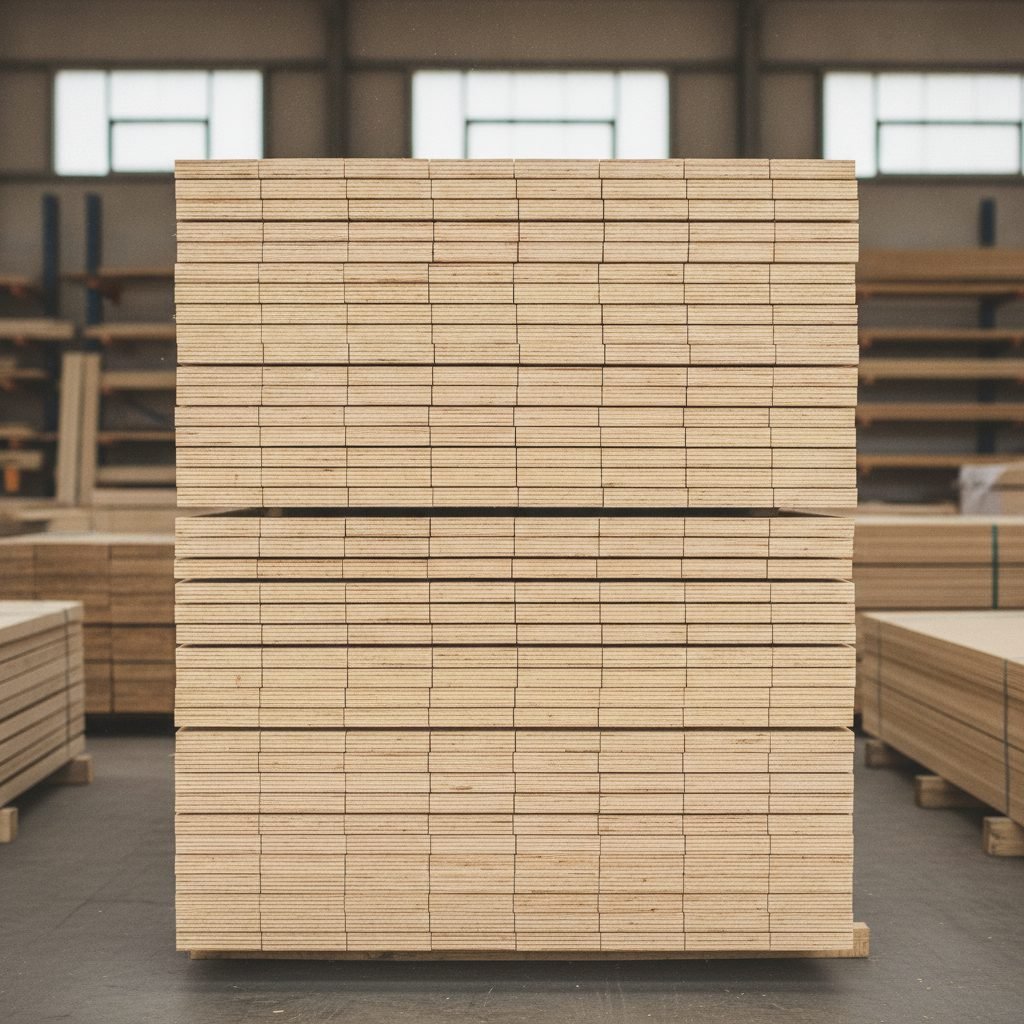


Updated July 13, 2026. A plywood “grade” can describe face and back veneer appearance, intended use, structural performance, bond classification or a jurisdiction-specific standard. Buyers should never approve a panel from a shorthand label alone. The purchase specification must identify the standard, grade, span rating where applicable, bond classification, performance category, dimensions and certification mark.
For related decisions, see TimberInsider’s plywood price guide, MDF versus plywood, OSB versus plywood subfloor and China plywood sourcing guide.
Start with the governing standard
In the United States, Voluntary Product Standard PS 1 covers structural plywood and PS 2 establishes performance requirements for wood structural panels used in designated construction applications. APA explains that its trademarks identify the applicable standard and that certified panel quality is subject to audit.
Imported panels may follow EN, CSA, JAS or another national system. Similar-looking grade names across systems are not automatically equivalent. The project designer, building code and procurement contract should define acceptable standards.
Face and back veneer grades
Visually graded plywood commonly uses letters to describe face and back veneer quality. An A-grade face is selected for a smoother appearance and more limited repairs, while progressively lower face grades permit more natural characteristics and repairs. A designation such as A-C describes the face and back separately.
Appearance grade does not by itself state span capacity, adhesive durability or suitability for a structural assembly. Review the complete certification mark.
Why “CDX” is not a complete specification
APA advises specifiers to use Rated Sheathing terminology rather than the informal “CDX” shorthand. The old shorthand combines veneer letters with a reference to exterior glue but omits information needed for modern performance-rated selection.
A more complete order identifies, for example, APA Rated Sheathing, performance category, span rating, bond classification, nominal dimensions and edge profile. The exact selection must follow the design.
Understanding span ratings
A Rated Sheathing mark may show two numbers such as 32/16. The numbers relate to maximum support spacing for roof and subfloor applications under the standard conditions associated with the rating. They are not universal allowable spans for every load or installation.
Orientation, supports, live and dead loads, fasteners, edge support, moisture and building-code requirements all matter. Use APA load-span tables or project engineering where required.
Performance category versus actual thickness
Modern North American structural panels are often specified by a performance category such as 15/32 or 23/32. This category is used with permitted manufacturing tolerances and should not be confused with a guaranteed exact measured thickness.
Buyers should record both the required performance category and any fabrication-critical thickness tolerance. Cabinet, flooring and CNC applications may require tighter controls than structural sheathing procurement.
Exposure 1 and Exterior
Bond classification describes adhesive-bond durability. APA states that Exposure 1 panels can withstand moisture associated with normal construction delays but are not intended for permanent weather exposure. Exterior panels use a bond classification intended for repeated wetting or weather exposure, subject to the complete product and assembly requirements.
Neither label eliminates the need to protect edges, detail drainage, apply finishes or follow installation instructions.
Common product designations
- Rated Sheathing: wall, roof and subfloor sheathing where the listed rating and design permit.
- Rated Sturd-I-Floor: single-floor applications with an appropriate span rating and edge system.
- Sanded plywood: appearance and finish applications, selected by face/back grade.
- Marine plywood: a specific construction and quality category; it is not simply any exterior-bond panel.
- MDO/HDO: medium- or high-density overlaid plywood for selected finishing, sign, industrial or concrete-form applications.
- Structural I: additional panel requirements for certain engineered applications.
Species and strength groups
Veneer species and layup influence properties. APA visual-grade marks may include a species group, with Group 1 representing the strongest grouping in that system. Do not infer an allowable design value from species name alone; use the certified panel grade and published design data.
Imported plywood checks
For imported panels, verify the standard, accredited certification body, mill identity, product code, dimensions, glue/bond class, formaldehyde compliance, species declaration and legal-origin documentation. Test samples when machining, finishing or fastener performance is critical.
Under EPA TSCA Title VI, hardwood plywood sold or imported in the United States is subject to formaldehyde requirements. EPA lists a 0.05 ppm emission limit for covered hardwood plywood and associated certification, labelling and recordkeeping provisions.
Receiving inspection
- Match the panel mark and documents to the purchase order.
- Check performance category, grade, span and bond classification.
- Inspect faces, edges, squareness, thickness and visible delamination.
- Record mill, batch and pack identifiers.
- Protect panels from ground moisture and weather.
- Quarantine nonconforming material before installation.
Frequently asked questions
What is the best plywood grade?
The correct grade is the one meeting the application’s structural, appearance, moisture, finishing and regulatory requirements.
Is CDX the same as Rated Sheathing?
CDX is informal and incomplete. APA recommends specifying the rated product, performance category, span rating and bond classification.
Does Exterior mean waterproof?
No. It describes bond durability; the full panel, finish and assembly still require correct detailing.
Can appearance grade predict strength?
No. Use the structural standard, rating and design information.
What should appear on a purchase order?
Standard, grade, performance category, span rating if relevant, bond classification, dimensions, edge, certification and quantity.
Sources and methodology
- APA — Plywood basics, sizes and applications
- APA — Panel trademark explanation
- APA — PS 1 and PS 2 standards
- APA — How to specify engineered wood panels
- APA — HDO and MDO panels
- U.S. EPA — Hardwood plywood formaldehyde rule
Grade terminology is tied to its standard and certification system. See TimberInsider’s sources and methodology policy.


