



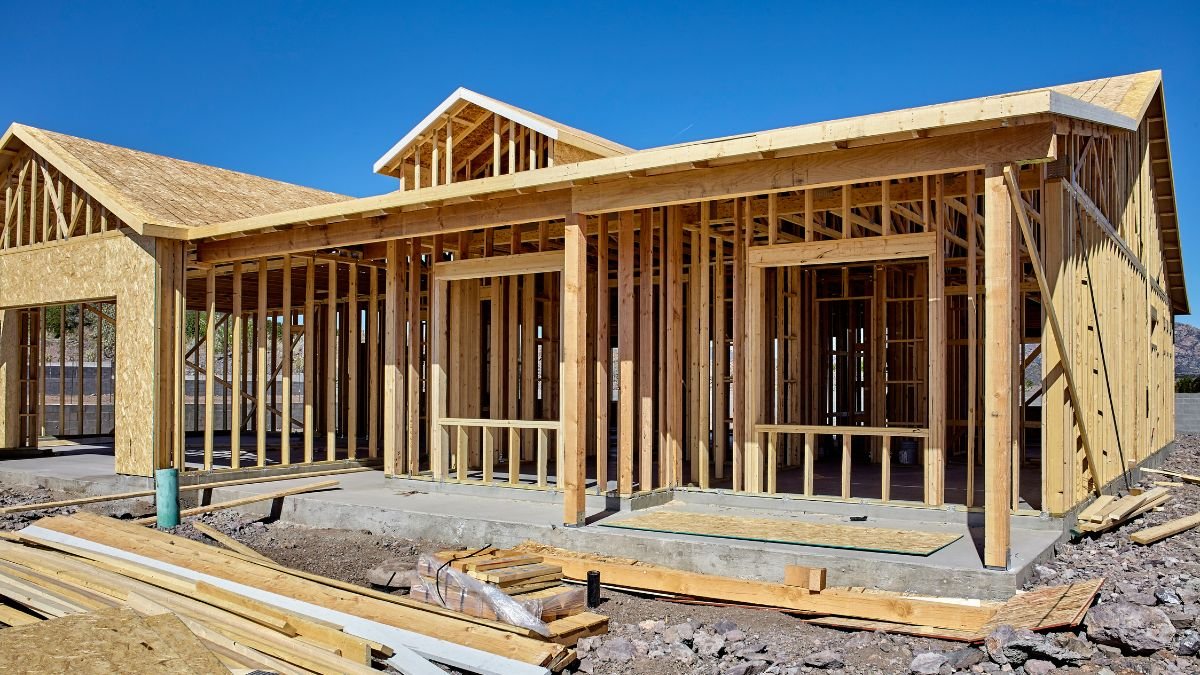


U.S. existing-home turnover remains historically subdued, but the market is not accurately described as frozen or at a new 30-year low in mid-2026. National Association of Realtors data show sales improved in May 2026, while high financing costs and the mortgage lock-in effect still constrain mobility.
Latest verified sales reading
NAR reported a seasonally adjusted annual rate of 4.17 million existing-home sales in May 2026, up 3.2% from April. The median price was $429,300 and inventory represented 4.5 months of supply. These figures describe completed existing-home transactions, not new-home sales or housing starts.
Why turnover remains weak
Many owners hold mortgages below current market rates. Moving can replace a low-rate loan with a more expensive one, raising the monthly payment even when the replacement home has a similar price. Affordability also depends on income, taxes, insurance and the available down payment.
Why “30-year low” needs a date
Annual 2024 and 2025 existing-home sales were around 4.06 million, historically low compared with the pandemic period. Monthly and annual series are not interchangeable, however. A dramatic record claim becomes misleading when it is left undated after newer releases arrive.
Prices and sales can diverge
Low transaction volume does not require a national price collapse. Limited listings can support prices even while affordability suppresses the number of buyers. National medians also change with the mix of homes sold, so repeat-sales indices and regional data add context.
Inventory is improving unevenly
Months of supply has risen from the exceptionally tight conditions of the pandemic years, but local markets differ. Buyers should compare active listings, days on market, price reductions and completed sales in the relevant metro, not infer a local result from a national headline.
Implications for lumber and panels
Existing-home turnover affects renovation, flooring, cabinetry and furniture, while new construction drives framing lumber, OSB and structural plywood more directly. The wood-demand signal should combine existing-home sales with Census starts, permits and construction spending.
Indicators to watch
- NAR existing and pending home sales;
- Census housing starts, permits and new-home sales;
- Freddie Mac mortgage rates;
- NAHB builder confidence and incentives;
- regional inventory and price reductions.
Related TimberInsider analysis includes homebuilder confidence, lumber scenarios, wood-market indicators and regional coverage.
Existing sales versus new construction
Existing-home sales are recorded by NAR, while the Census Bureau publishes new-home sales, starts and permits. A resale transfers an existing structure and may trigger renovation spending; a housing start represents new physical construction and usually creates a more direct framing-material requirement. Combining the series prevents a rebound in one segment from being mistaken for a recovery in all housing activity.
Understanding the annual rate
The 4.17 million May figure is a seasonally adjusted annual rate, not the literal number of closings during May. Seasonal adjustment accounts for normal calendar patterns, then annualisation expresses the month’s pace over a year. It should be compared with another annual rate, while unadjusted monthly counts answer different questions.
Affordability calculation
Price alone is incomplete. For a fixed-rate mortgage, the monthly principal-and-interest payment depends on loan size, interest rate and term. Taxes, insurance and association fees add to the payment. A lower purchase price can therefore coincide with worse affordability if financing costs rise enough. Comparing rates without holding loan amount and term constant also misleads.
The lock-in mechanism
Lock-in reduces the incentive to sell, but life events still generate transactions. Employment changes, household formation, divorce, retirement and relocation can outweigh the rate gap. The effect also weakens as mortgages amortise, incomes grow or market rates approach owners’ existing rates. That is why lock-in is a constraint rather than a permanent prohibition on mobility.
Regional interpretation
National sales and prices aggregate markets with different job growth, construction pipelines, insurance costs and land constraints. A procurement forecast should use metro or state evidence near the customer base. Sun Belt inventory, for example, can behave differently from supply-constrained coastal metros. National figures remain useful as a common benchmark.
Frequently asked questions
Are home sales currently at a 30-year low?
Recent annual totals have been historically weak, but the exact claim depends on series and period. The latest monthly release should be cited rather than carrying an undated record headline forward.
Does low turnover mean home prices must fall?
No. Prices depend on the balance of buyers and listings, local supply and the mix of homes sold. Low volume and firm prices can coexist.
Which series matters most for wood demand?
Housing starts are more direct for structural wood; existing sales can support repair, remodelling, cabinetry and furniture. Both should be combined with permits and construction spending.
How TimberInsider updates this page
The headline and opening figures are reviewed when NAR publishes a new monthly release. Census and Freddie Mac series are checked on their own release schedules. We preserve prior annual figures only when their period is explicit. Forecasts are labelled as forecasts, and later observations are not backfilled into an earlier claim without changing the updated date.
For commercial planning, readers should capture the exact data vintage used in a decision. Housing releases are revised, and a later table may differ from the value initially reported. A revision is normal statistical practice, not necessarily an error.
Sources and methodology
Updated 13 July 2026 using NAR existing-home sales, Census new residential sales, Census starts and permits, Freddie Mac PMMS, S&P CoreLogic Case-Shiller and TimberInsider’s editorial method. Values are labelled by release month and series.


