



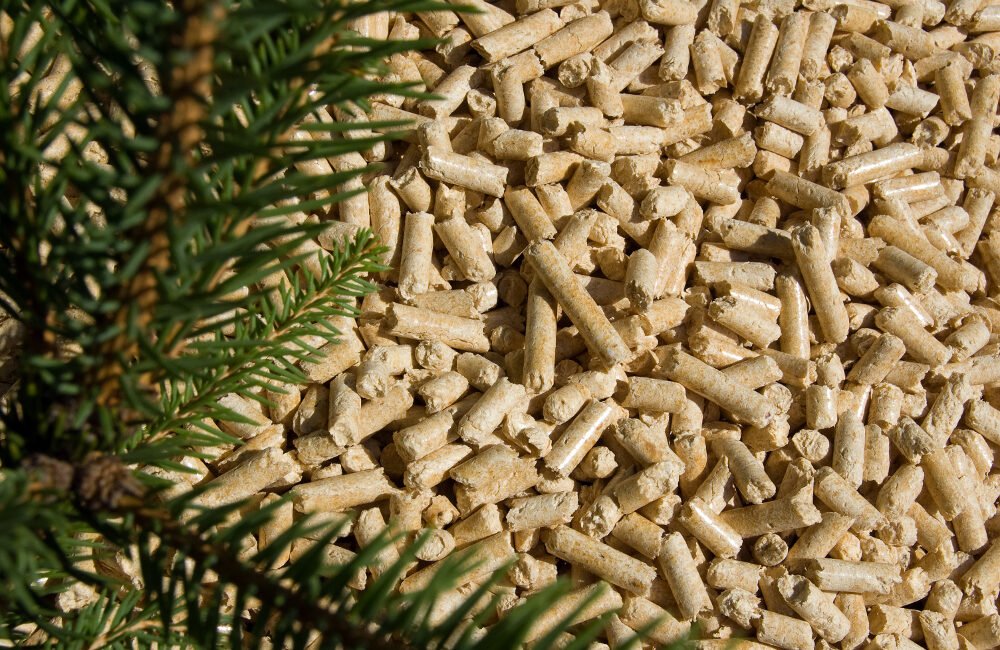


Updated July 13, 2026. The European Pellet Forum took place in Verona on February 27, 2026, during Progetto Fuoco. The event brought producers, traders, technology providers, analysts and institutions together around European pellet supply, market trends and regulation. It was the Forum’s first edition in Italy; the next edition is scheduled for September 2027 in Valladolid, Spain.
European Pellet Forum 2026: verified event facts
| Item | Confirmed detail |
|---|---|
| Date and time | February 27, 2026, 09:00–13:00 |
| Venue | Vivaldi Room, Veronafiere, between halls 6 and 7 |
| Host event | Progetto Fuoco, February 25–28 |
| Organisers | AIEL with the European Pellet Council and Bioenergy Europe |
| Next Forum | September 2027, Valladolid, within Expobiomasa |
These details come from the official event programme and Bioenergy Europe’s post-event report. The update replaces the original pre-event wording so readers do not mistake a completed conference for a forthcoming one.
What the Forum covered
The programme centred on the relationship between pellet supply, demand and policy. Sessions examined European and Italian market trends, premium and industrial pellet flows, feedstock conditions, appliance markets and the role of international suppliers. The agenda also considered how regulation affects sourcing, market access and consumer equipment choices.
For TimberInsider readers, the Forum sits at the intersection of the wood market, sawmill residues and renewable heat. Pellet economics depend on more than energy demand: sawmill output, competing uses for fibre, transport costs, quality certification and seasonal inventories all influence availability and price.
Supply chains and feedstock were central themes
The official programme gave substantial attention to global supply chains and raw-material availability. It highlighted extra-European exporters, including Brazil, and the state of sawmill and sawdust markets. That focus reflects the physical reality of pellet production: many plants rely on residues and by-products whose supply changes with lumber production.
A weak sawmilling cycle can reduce residue availability even when heating demand remains firm. Conversely, high lumber throughput may improve feedstock supply, but drying, pelletising, storage and freight capacity can still constrain delivery. Buyers should therefore avoid using a single lumber or energy indicator as a complete pellet-price forecast.
EU rules moved from background issue to market factor
Bioenergy Europe’s event recap identifies RED III, the EU Deforestation Regulation (EUDR) and Ecodesign among the policy files discussed. Presentations focused on how implementation could affect pellet sourcing, sustainability requirements, market access and heating appliances.
The key commercial point is that compliance details can influence costs and supplier eligibility before they materially change physical demand. Traceability systems, documentation, quality controls and product standards require operational work. Market participants should follow the final applicable rules and implementation dates from EU institutions rather than rely only on conference summaries.
Quality certification and confidence
ENplus representatives were present during Progetto Fuoco to discuss quality assurance. Certification is relevant because pellet performance depends on characteristics such as dimensions, moisture, mechanical durability, fines and ash content. Those characteristics affect handling, combustion and appliance maintenance.
Certification does not replace contract checks. Industrial and residential buyers still need to confirm the applicable grade, delivery terms, sampling procedure and claims process. TimberInsider’s sources and methodology policy explains why market claims should be tied to a defined product, geography, period and source.
Why Progetto Fuoco was a relevant venue
Progetto Fuoco covers biomass heating equipment as well as fuel supply. Its official 2026 information described 430 brands from 38 countries across 65,000 square metres and seven halls plus an outdoor area. That mix allowed the Forum’s fuel-market discussion to connect with stove, boiler and heating-system developments.
The relationship matters because pellet demand is partly determined by the installed appliance base, replacement cycles, weather and energy-policy incentives. Technology rules can affect which systems are sold, while fuel quality and availability influence consumer confidence. Readers can follow the wider industrial context through TimberInsider’s industry hub and regional coverage.
What was reported after the event
Bioenergy Europe said the Forum brought together the pellet value chain for a concentrated morning of market, supply-chain and regulatory analysis. Its representatives contributed presentations on European pellet-market trends, the European and Italian appliance markets, and policy implementation.
The organisation’s published takeaway was that market conditions are increasingly shaped by implementation details as well as basic supply and demand. This is an organiser’s assessment, not an independently measured price signal. No transaction-price series or binding policy decision should be inferred from the event recap alone.
Practical signals for pellet-market participants
- Feedstock: monitor sawmill production, residue competition and raw-material availability by region.
- Trade: compare premium and industrial flows separately; they serve different users and specifications.
- Stocks: seasonal inventory can influence near-term availability even when annual production is adequate.
- Rules: track official implementation of RED III, EUDR and Ecodesign requirements.
- Equipment: appliance sales and replacement influence residential fuel demand.
- Quality: verify certification, grade and contractual test methods before purchasing.
For adjacent material and demand signals, see TimberInsider’s wood-products coverage and market analysis.
Next European Pellet Forum
The event recap says the Forum will alternate host countries, with the next edition planned for September 2027 in Valladolid under AVEBIOM and within Expobiomasa. Participants should verify exact dates and registration details when the organisers publish the final programme.
Bottom line
The 2026 European Pellet Forum was not merely an event announcement: it became a focused discussion of supply fundamentals, international sourcing, appliance demand and EU policy implementation. Its most useful signal is the growing interaction between physical pellet markets and compliance requirements. Buyers still need current price, stock and contract data before making procurement decisions.
Sources and methodology
Event outcomes were checked against Bioenergy Europe’s March 3 post-event report. Date, venue and programme themes were checked against the official Progetto Fuoco magazine and the Bioenergy Europe event page. Exhibition scale and organiser details were cross-checked with Progetto Fuoco’s English event release. TimberInsider labels organiser interpretations and does not convert conference commentary into unsupported price forecasts.


