
Lumber futures prices provide an important signal for market participants across the global wood industry. Traded on commodity exchanges, lumber futures reflect expectations around construction demand, supply availability and broader economic conditions. While futures prices do not represent physical lumber transactions, they play a key role in price discovery and market sentiment.
Understanding lumber futures prices helps manufacturers, distributors, builders and investors anticipate market trends and assess potential cost pressures across the wood value chain.
What Are Lumber Futures Prices?
Lumber futures prices refer to the quoted prices of standardized lumber contracts traded on futures markets, primarily in North America. These contracts are designed to reflect expected prices for lumber delivered at a future date, based on current market information and expectations.
Unlike spot lumber prices, futures prices are influenced not only by physical supply and demand but also by financial positioning, risk management strategies and macroeconomic factors. As a result, lumber price futures often move ahead of changes observed in physical lumber markets.
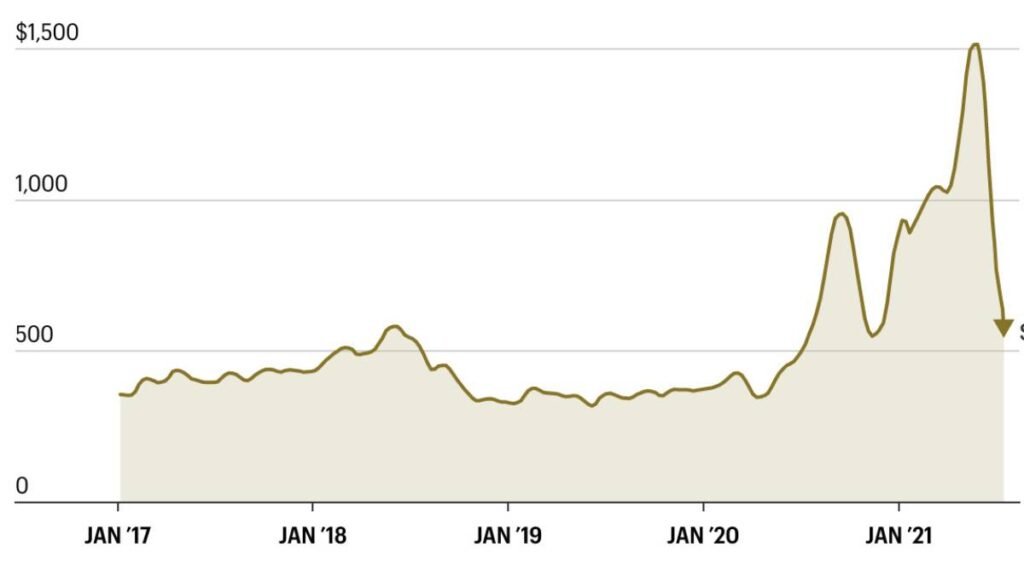
Lumber Futures Market Overview
In practice, lumber futures prices are closely monitored as a forward-looking indicator of market conditions. The price of lumber futures reflects collective expectations regarding construction demand, production discipline and broader economic momentum over coming months.
Futures markets allow industry participants to assess potential pricing scenarios before they materialize in physical transactions. As a result, movements in lumber price futures frequently provide early signals of changing market conditions.
Current Lumber Futures Price Levels (Indicative)
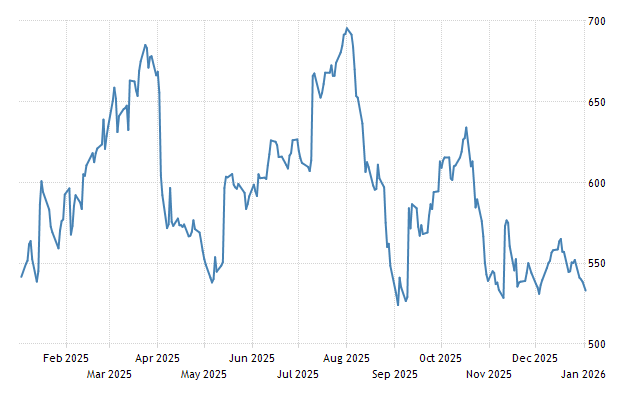
Lumber futures prices fluctuate daily in response to market developments. Traders closely monitor price levels to gauge short-term momentum and longer-term trends.
Indicative futures prices are commonly quoted per thousand board feet and vary depending on contract maturity. Nearby contracts tend to be more volatile, while longer-dated contracts reflect expectations around future construction activity, supply conditions and economic growth.
Rather than focusing on a single price point, market participants typically analyze:
Price trends over time
Differences between contract months
Volatility levels during key construction seasons
These elements provide a clearer picture of market direction than isolated price readings.
Key Factors Influencing Lumber Futures Prices
Several interconnected factors drive lumber futures prices:
Construction and Housing Activity
Residential construction remains the primary demand driver for lumber futures. Housing starts, building permits and renovation activity directly influence expectations for future lumber consumption.
Supply Availability
Log supply, sawmill operating rates and production capacity play a major role in shaping price expectations. Supply disruptions caused by weather events, labor shortages or mill curtailments can quickly push futures prices higher.
Macroeconomic Conditions
Interest rates, inflation trends and overall economic growth influence construction demand and investment decisions. Changes in monetary policy often translate into shifts in lumber futures pricing.
Logistics and Freight Costs
Transportation constraints and freight costs affect delivered lumber prices and can influence futures market sentiment, particularly during periods of supply chain disruption.
Market Sentiment and Financial Positioning
Lumber futures are also affected by speculative activity and hedging strategies. Financial flows can amplify price movements, especially during periods of heightened uncertainty.
Relationship Between Lumber Futures and Physical Lumber Prices
While lumber futures prices are closely watched, they do not always move in perfect alignment with physical lumber prices. Futures markets react quickly to new information, while physical markets adjust more gradually.
In many cases, futures prices lead changes in spot lumber prices, providing an early signal of potential price movements. However, regional supply constraints, contract structures and inventory levels can cause temporary divergences between futures and physical pricing.
For this reason, the price of lumber futures is best interpreted as an indicator of market direction rather than an exact representation of current transaction prices.
Recent Price Trends and Volatility

Lumber futures markets are known for periods of significant volatility. Seasonal construction cycles, weather-related disruptions and sudden changes in demand can lead to sharp price swings.
Periods of economic uncertainty often increase volatility as market participants reassess demand expectations. Conversely, stable construction activity and balanced supply conditions tend to result in more orderly price movements.
Monitoring volatility levels alongside price trends provides valuable insight into market risk and potential pricing instability.
What Futures Are Signaling
Beyond current price levels, lumber futures prices offer insight into market expectations for the months ahead. Futures curves reflect how market participants view future supply-demand balance, construction activity and cost pressures.
Shifts in the futures curve often signal anticipated changes in production discipline or demand conditions before they become visible in physical markets. As a result, lumber price futures play a key role in strategic planning and risk management.
Market Outlook for Lumber Futures Prices
Looking ahead, lumber futures prices are expected to remain sensitive to construction demand, interest rate developments and supply-side dynamics. Long-term trends will depend on housing market performance, investment in production capacity and broader economic conditions.
Sustainability considerations, forest management practices and regulatory frameworks may also influence supply availability over time, shaping future price expectations.
As a result, ongoing monitoring of futures markets remains essential for industry stakeholders seeking to manage price risk and anticipate cost developments.
Why Lumber Futures Prices Matter for the Wood Industry
Lumber futures prices influence decision-making across the wood value chain. Producers use futures markets to hedge price risk, while distributors and buyers rely on futures signals to plan procurement and inventory strategies.
For investors and analysts, lumber futures provide insight into construction activity and economic momentum. Even for market participants not directly involved in futures trading, these prices offer valuable context for understanding broader wood market dynamics.
Final Thoughts
Lumber futures prices serve as a critical reference point for assessing market expectations and potential price trends in the global wood industry. While they should not be viewed in isolation, futures prices offer valuable insight when analyzed alongside physical market data and industry fundamentals.
Staying informed about futures market developments helps market participants navigate price volatility, manage risk and anticipate changes across the wood value chain.
TimberInsider – Global Insight into the Wood Industry
